Antonino Saggio I Quaderni
Antonino Saggio Home
Antonino Saggio I Quaderni
Antonino Saggio Home
Imprinting
A Cultural Project
St. Louis Washinghton University at Saint. Louis
March 27 2026
The main concepts
Costruzione di progetti nazionali dell'architettura in Italia
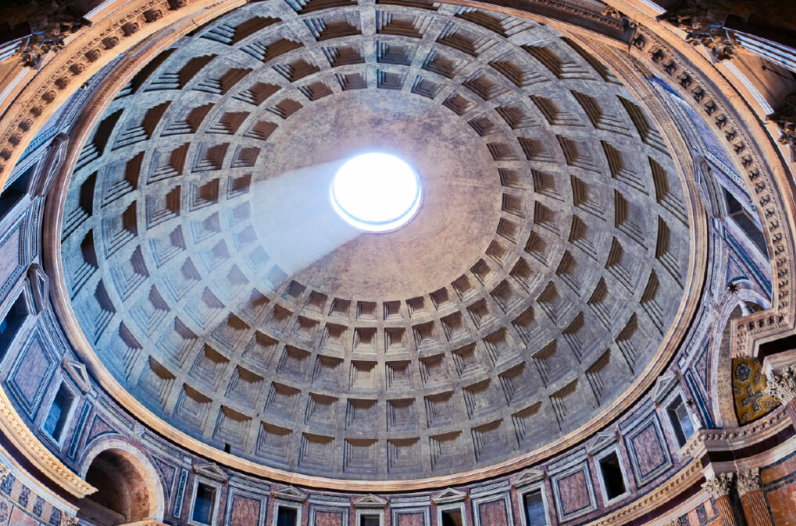
1. La costuzione spaziale romana
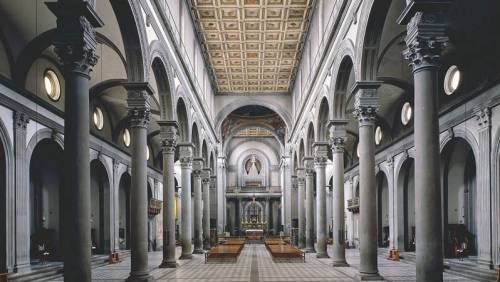
2. La costruzione dello spazio Prospettico
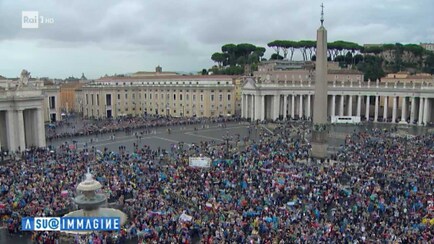
3. La costruzione dello spazio come azioni corali pubbliche
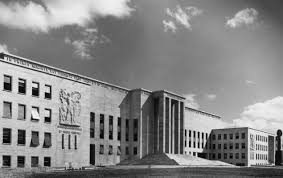
4. La costruzione dell'Architettura cittadina di Piacentini
4bis. La costruzione dell'Architettura della città de La Tendenza e di Aldo Rossi via de Chirico
In Italia quest'ultima "tendenza" è stata prevalente e una sorta di contributo o meglio di marchio d'origine contyrollata che ha segnato fortemente l'archittettura tra gli anni sessanta e gli anni Ottanta.
Ha di fatto messo tra parentesi una serie di canali molto presemnti nella cultura italiana ma mai assunto a una autentica rilevanza internazionale
pensioamo a Michelucci ricci Savioli a Firenze, A Valle, o marcello d'olivo o darditra friuyli e veneto A gabettie e Isola in Piemento a Anselmi Fuksas, Cellini, al centro a Culotyta e Leon al Sud, di Cosenza Ado Loris Rossi e altri a Napoli.
Riescono a passare nel dibattiro internazionale limitrofe alla tendemnza Vittorio Geregotti e Franco Purini e decisamente opposto Carlo Scarpa.
In Italia permangono ancora oggi scuole fortemente legate alle strutture teoriche e progettuali della Tendenza.
My Resarch BackGround
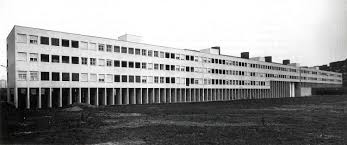
Giuseppe Pagano
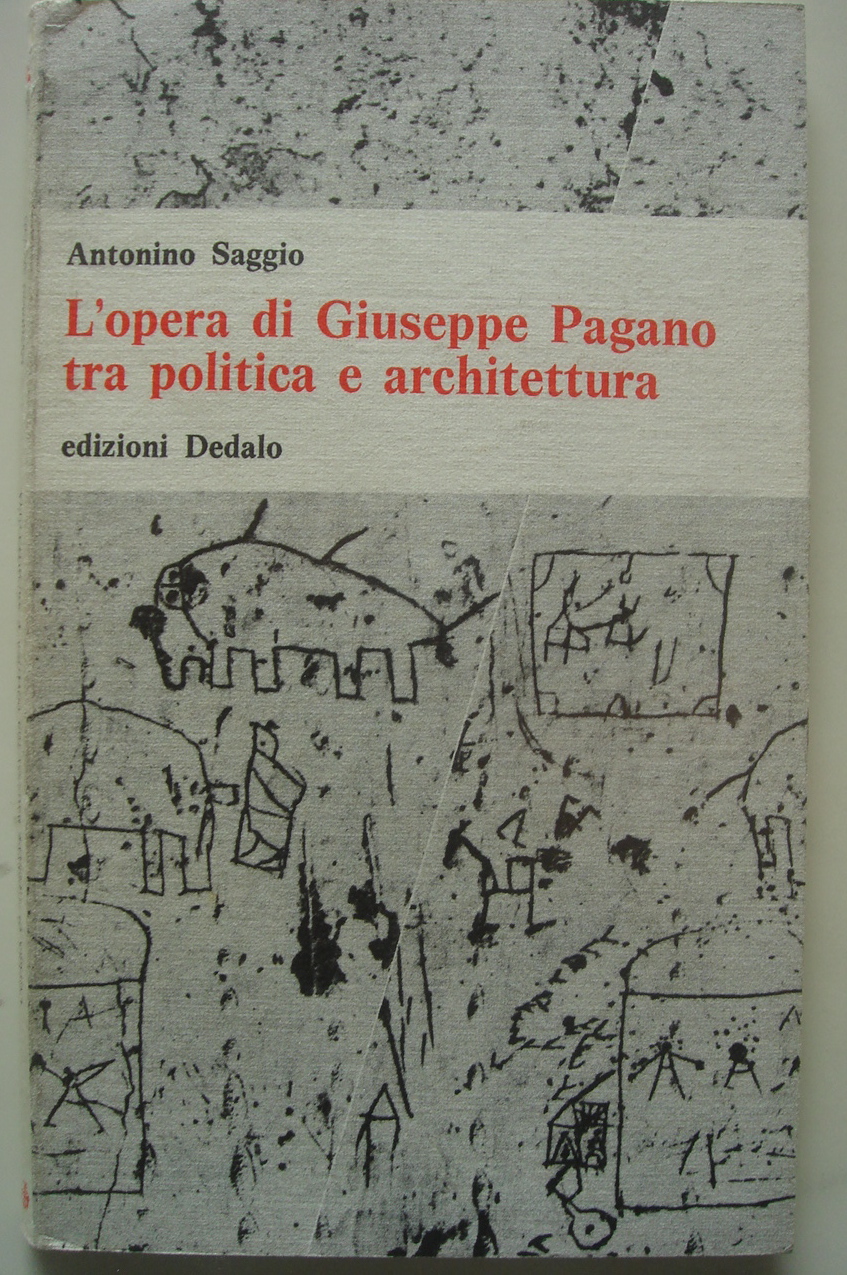
Antonino Saggio
Giuseppe Pagano tra Politica e Architettura
Dedalo, Bari 1984
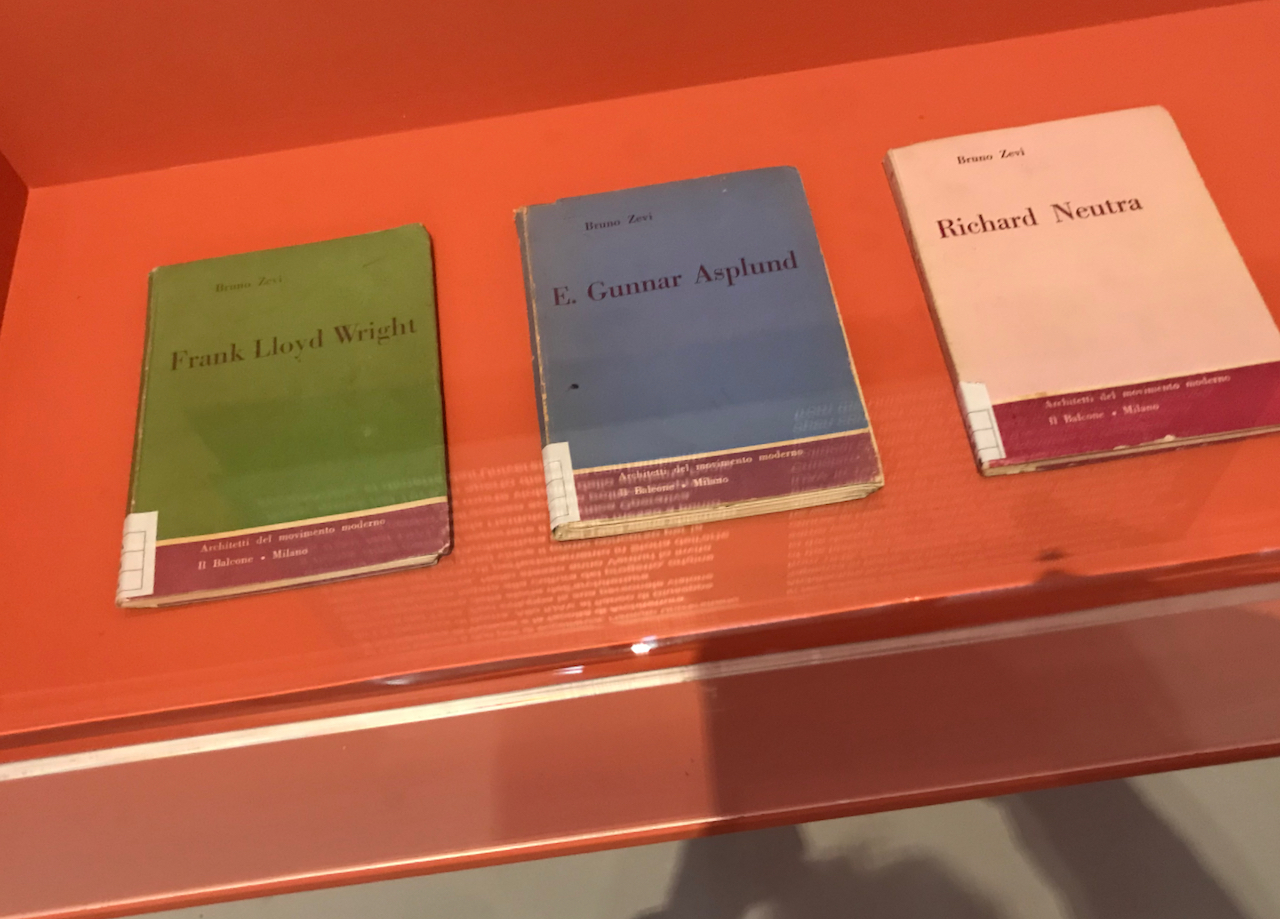
Collana Universale di Architettura diretta da Bruno Zevi
< Scarica Pdf >
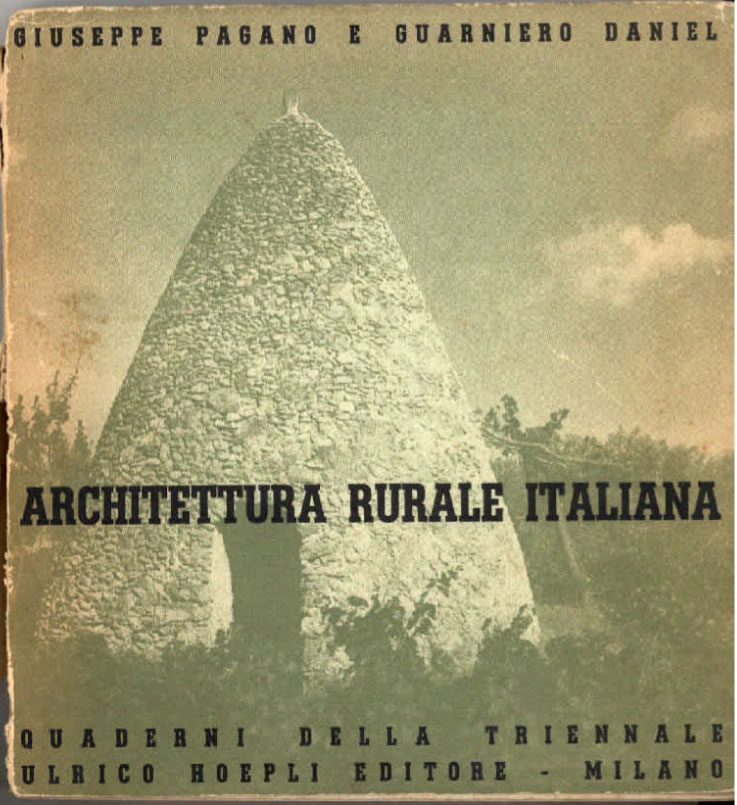
Architettura Rurale Italiana di Giuseppe Pagano e Guarniero Daniel,
Quaderni della Triennale di Milano, Hoepli 1936Si tratta di uno dei testi più preziosi creati su questo tema
< DOWNLOAD Pdf >
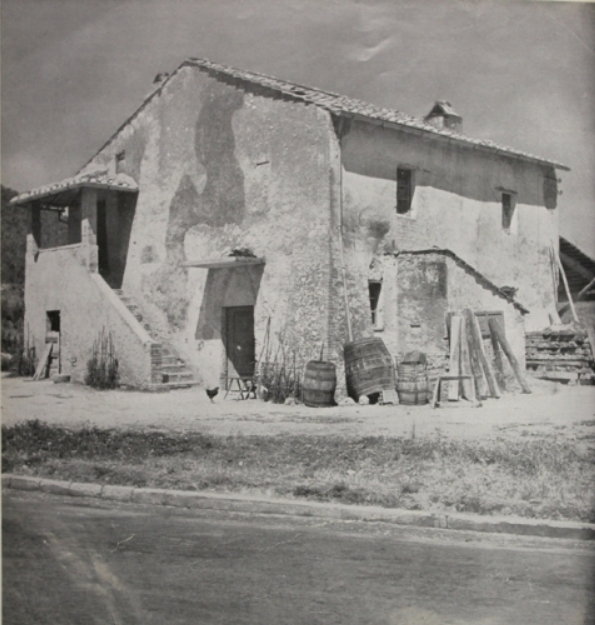
House in Orticoli (lazio) 1935
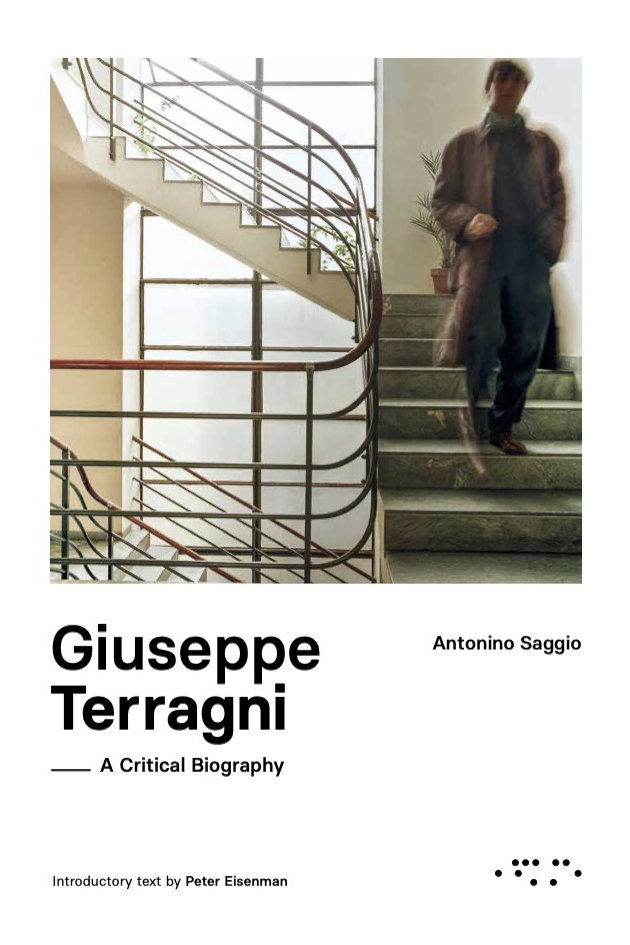
Giuseppe Terragni
Antonino Saggio
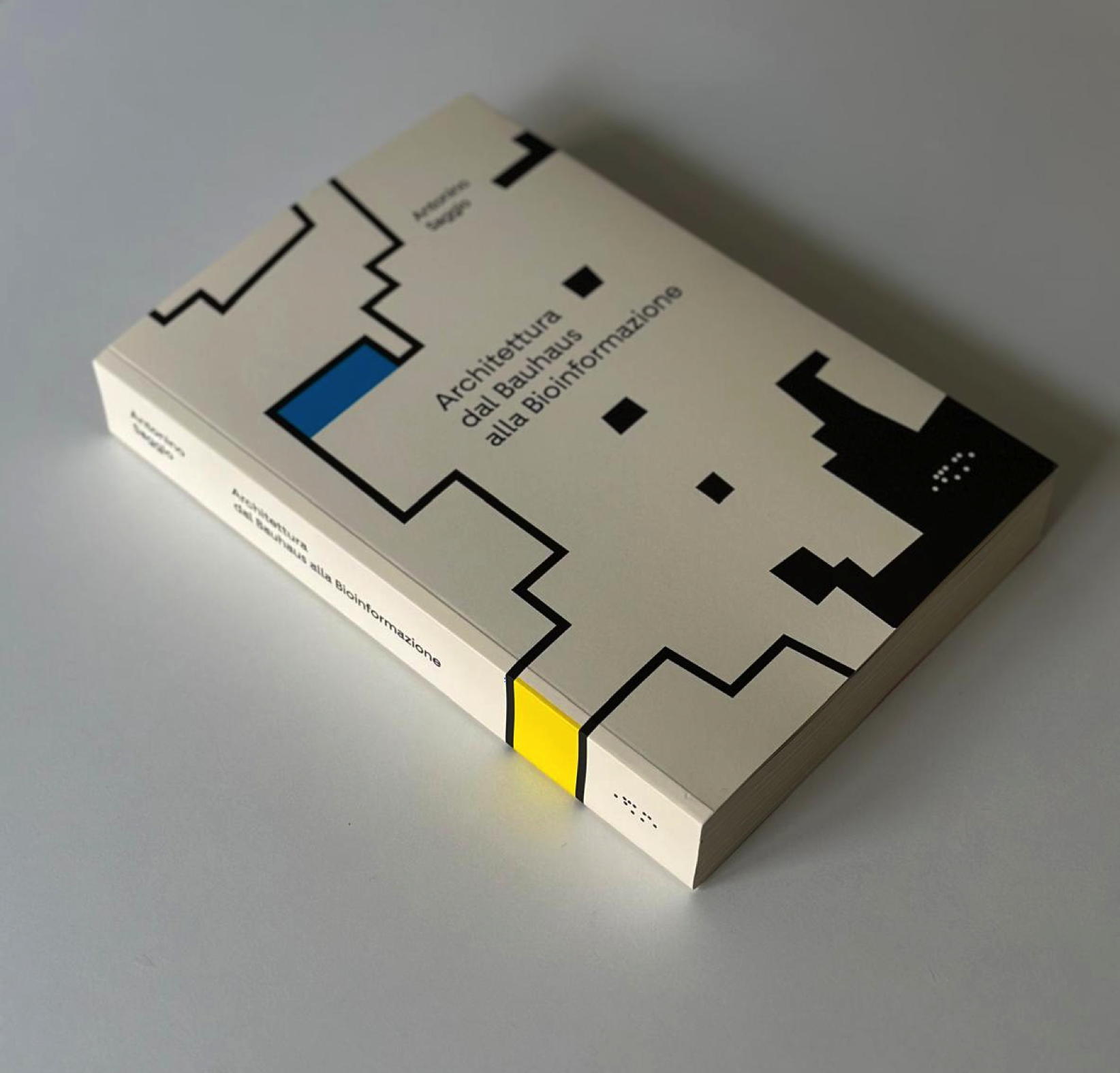
Giuseppe Terragni a Critical Biography
Letteraventidue, Siracusa 2025
with an Introductory Text by Peter Eisenman
Preface: Francesco Tentori Photographs: Dennis Marsico
foto di StefanoTopuntoli 1995
L'Apao : A cultural projerct in the Post War Italy
from Gemini:
APAO: The Association for Organic Architecture
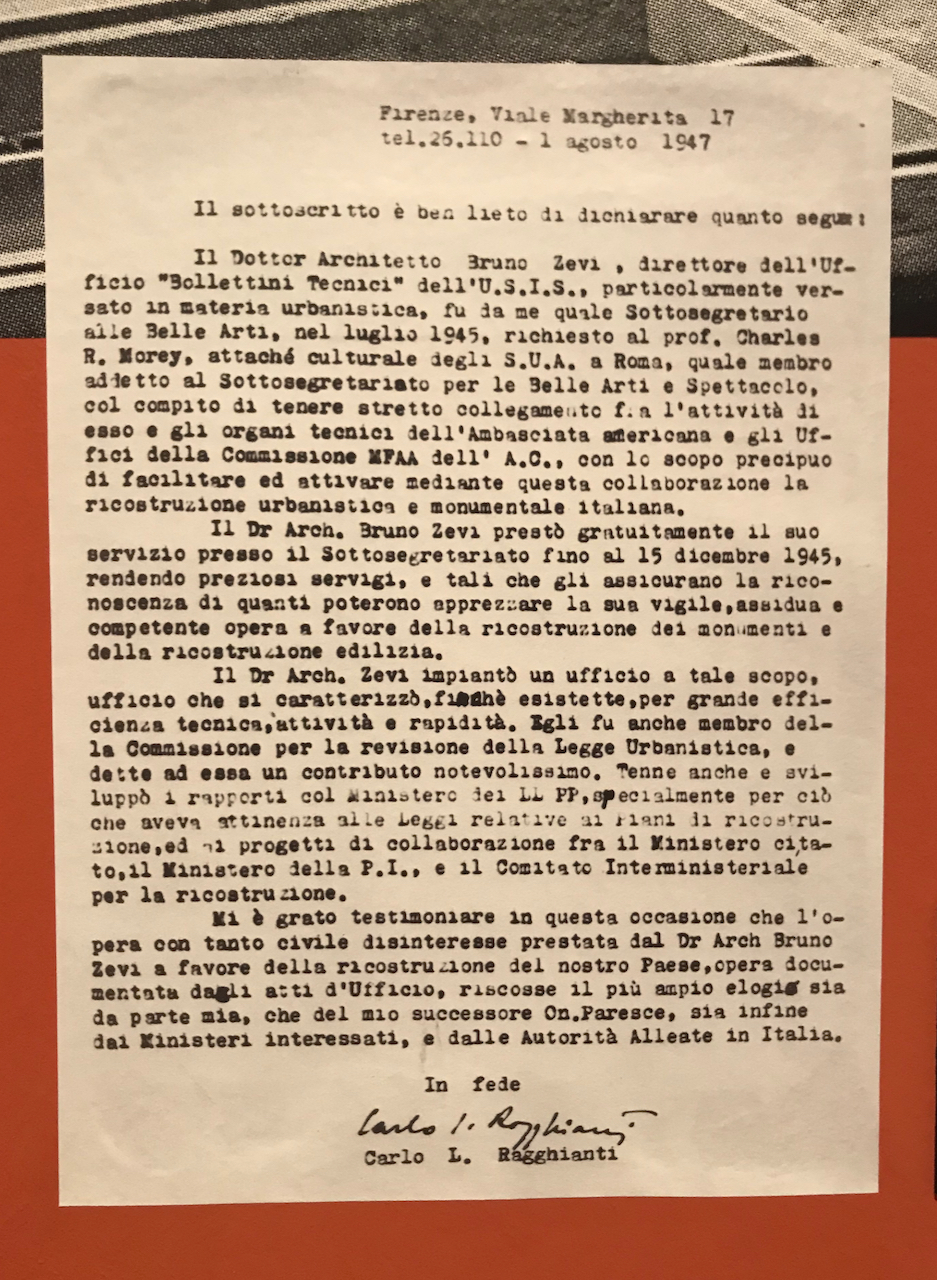
The APAO represents one of the most vibrant and revolutionary moments of the Italian cultural debate in the post-WWII period. Founded in Rome in 1945, while the rubble of war was still smoldering, the association became the engine for architectural renewal against the remnants of Fascist monumentalism.
Here are the key points to understand this movement led by Bruno Zevi:
1. The Mission: Humanism and Democracy
After twenty years of neoclassical and monumental rhetoric imposed by the regime, Zevi and his collaborators felt the need for an architecture that spoke of freedom.
Organic Architecture: The term, borrowed from Frank Lloyd Wright, did not just indicate an aesthetic inspired by nature, but a "human-scale" approach where interior space is designed for social life and the psychological well-being of its inhabitants.
Social Function: APAO did not want to be an elite club, but rather a tool for the country's reconstruction, promoting architecture as an expression of democracy.
2. The Role of Bruno Zevi
Zevi, having returned from exile in the United States full of enthusiasm for Wright’s work, was the theoretical soul of the group. Through the APAO manifesto and the magazine Metron, he led a fierce cultural battle:
Against "Abstract" Rationalism: Although he respected the masters of functionalism, Zevi criticized the excessive coldness and geometry of European Rationalism (such as that of Le Corbusier), preferring the fluidity and environmental integration of organic architecture.
3. The Key Figures
Beyond Zevi, APAO gathered the finest architectural and technical minds of the era, including:
Luigi Piccinato: A fundamental urban planner for rethinking the form of Italian cities.
Mario Ridolfi: Renowned for his ability to blend modernity with traditional craftsmanship.
Pier Luigi Nervi: The genius of reinforced concrete, who brought engineering innovation to the group.
An Important Legacy
APAO officially disbanded in 1950, but its impact was permanent. It shifted the focus from the "building as a monument" to the home as a lived-in space, influencing iconic projects like the INA-Casa Tiburtino district in Rome.
"Organic architecture is an architecture that develops from the inside out, in harmony with the needs of those who inhabit it." > — A core concept of Zevi’s thought.
"Behind all our intentional activities, behind our domestic world,
there is this ideal landscape created during childhood.
It moves through our selective and self-censored memory
like a myth and an idyll of how things should be— the lost paradise to be regained."
Italy of Differences
::
::::::
Italy 3 Imprintings
North: Military, Grid, Abstraction, Plan, Roman
:::
..
:
-
::
South: Plastic, Chiaroscuro, Elevation, Greek
http://www.arc1.uniroma1.it/saggio/Conferenze/Imprinting/13.JPG
AGALMA
Statua come offerta votiva
Presti&Staccioli Piramide di Luce
Central: Organic, Earth, Section, Etruscan
../Conferenze/Imprinting/14b_.JPG
.
LetteraVentidue Edizioni
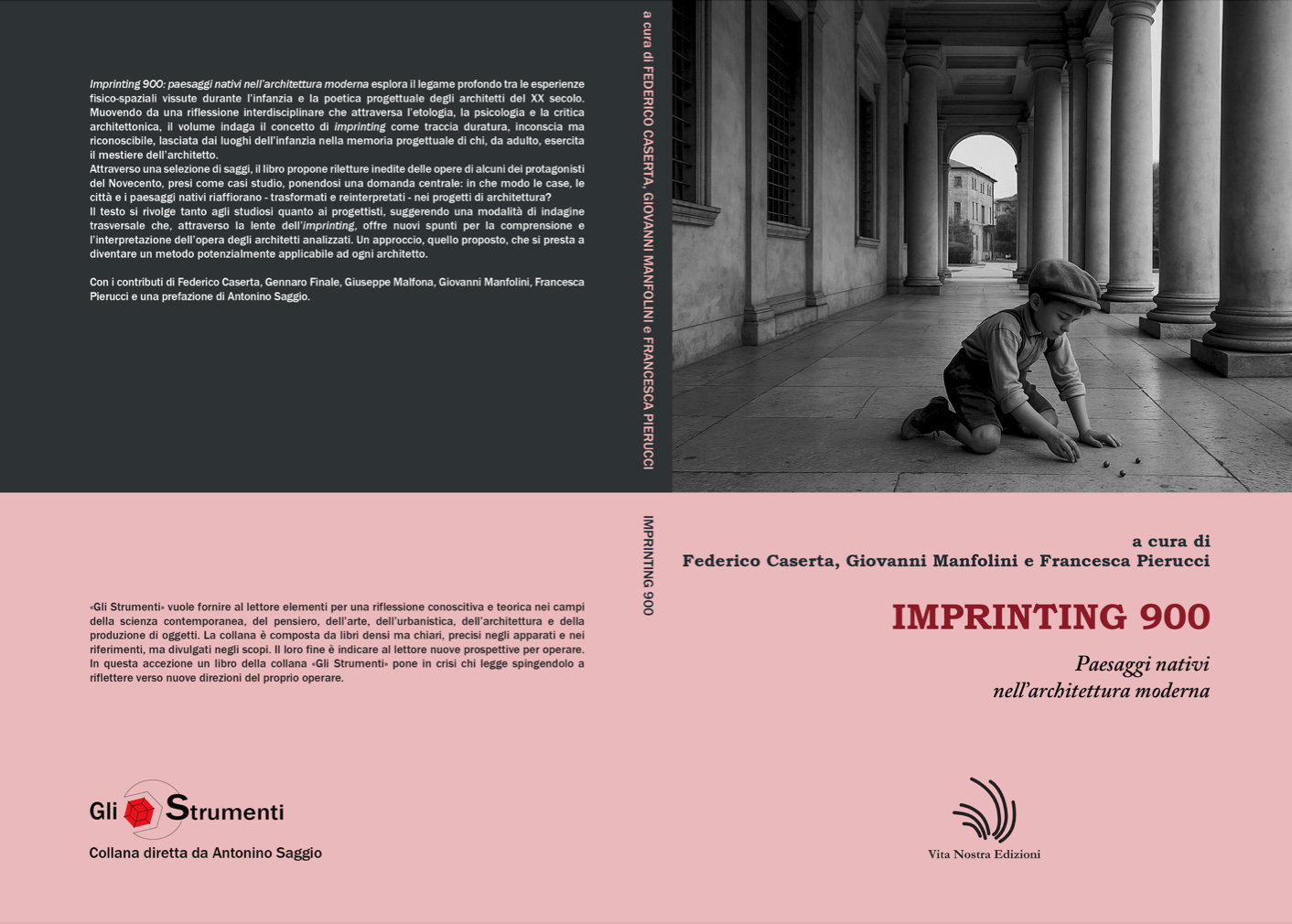
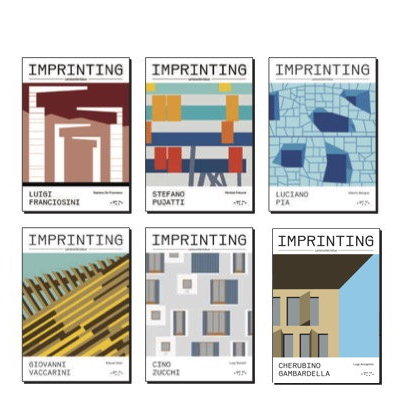
Imprinting
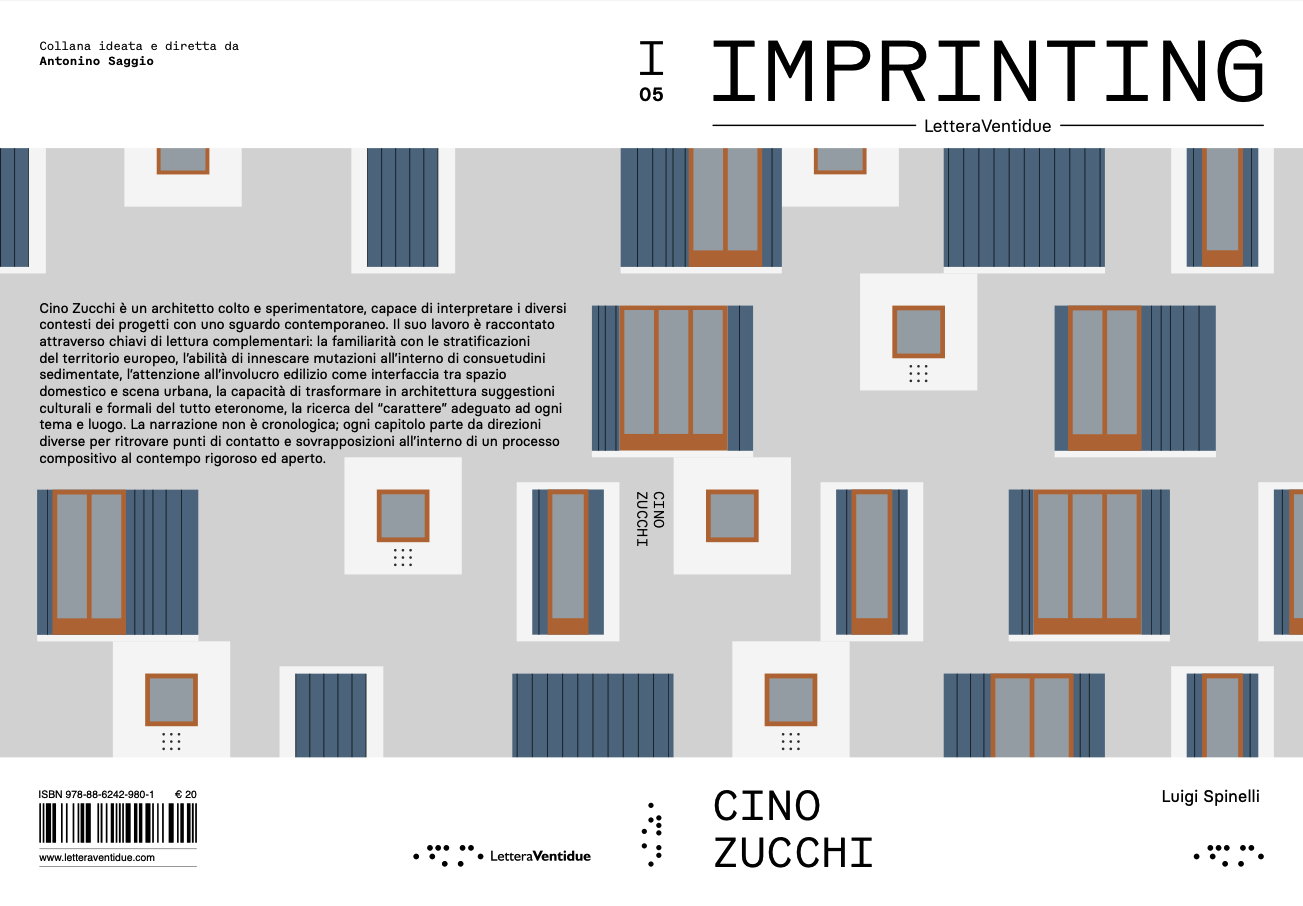
a series conceived and directed since 2023 by Antonino Saggio
Imprinting is an English term (meaning to take shape, and by extension education, or original formation) that can be used in several ways:
Imprinting
In ethology and psychology: It is the most basic form of learning, which occurs during a life stage known as the critical period, when an individual is biologically predisposed to that specific type of learning.
The first studies on imprinting were conducted by Konrad Lorenz on geese: he studied how, immediately after birth, they identify their mother as the first moving object or person they see.
— From Wikipedia Italy
Giants of architecture
universale architetto scozzeseCharles Rennie Mackintosh:
Gennaro FinaleAdolf Loos:
l'essenza tridimensionale dell'architetturaGiuseppe Malfona
Willem Marinus Dudok:
cittÀ, quartiere, casaGennaro Finale
Giovanni Michelucci:
l'imprinting rurale nel NovecentoGiovanni Manfolini
Bernard Rudofsky:
la Moravia come radice silenziosaFederico Caserta
Ignazio Gardella:
di padri in figliGennaro Finale
Carlo Scarpa:
un paesaggio nativo d'eccezioneFrancesca Pierucci
Giancarlo De Carlo:
un'infanzia errabonda, un adulto apolideFrancesca Pierucci
Sverre Fehn:
il volto di una terraFederico Caserta
Takis Zenetos:
sospeso tra progresso e tradizioneGiovanni Manfolini
Paolo Portoghesi:
un'idea di memoriaGiuseppe Malfona
Álvaro Siza:
creare partendo dalle radiciFrancesca Pierucci
Samuel Mockbee:
il profondo Sud e la nobilitazione degli UltimiFederico Caserta e Giovanni Manfolini
the "Prarie" of Wright
The finnish lakes of Aalto
The desert under the sky of Predock
Study
The Imprinting of Zaha Hadid
"Il paesaggio di Zaha"
«L'Architetto» Aprile 2016
L'imprinting di Zaha Hadid
Scomparsa il 31 marzo 2016leggi l'articolo
"Il paesaggio di Zaha"
«L'Architetto» Aprile 2016
In alto una visioni del fiume Tigri, in Mesopotamia-Iraq, sotto "Acqua selvaggia" Paul Klee 1934.
A visual recreation of one of Yakov Chernikov’s brilliant abstractions from 101 Architectural Fantasies (1925-1933)
Vai dopo però Credits >>
"But Hadid carries in her eyes the landscape of her homeland and the desert, where forms are ever-changing, where a valley, a dune, or a hill is always part of a unified whole.
It is also the Mesopotamia of the Tigris and Euphrates, which open into estuaries and intertwine with the sand, the dunes, and the riverbanks. It is the infinite textures of the patterns in carpets and mats that are magically projected into the vaults of Mosques. This is her landscape: one of textures and, at the same time, of an intertwined relationship between various components that form an image—components that are simultaneously mobile and... 'renegotiable,' to use a word that would become important.
And so Hadid paints and paints—simply marvelous canvases and drawings in which these forms are like continuously intertwined swarms, speaking and dancing with one another. This pictorial thought is the opposite of Mondrian’s or Le Corbusier’s purism. Instead of objects standing out against a background, the background and the image exist as one. Naturally, Paul Klee is an inescapable point of comparison. But like all great artists, Hadid creates an apparently absurd problem for herself: How to combine this ideal landscape of a lost childhood with an aesthetic deliberately made of jarring, autonomous, and violent pieces? How to combine the rivers merging with the earth and the textures of Klee with the clashing machines of Malevich and Soviet Constructivism that were bouncing among the young faculty at the Architectural Association?
An unthinkable hybridization, right? But art is that which confronts contradictions in a new and unexpected way, thus revealing to us a different way of looking and thinking. And so, the 'The Peak' project was born. Everything here is as if governed by a single formative law. Environment and architecture exist together, conform to one another, are 'conspiring': the difference between figure and ground no longer exists. Yet, it is not all pacified in a neo-romantic vision; it is strong, darting, and sharp. Architecture presents itself as landscape and becomes a sort of infrastructure for the world.
Now, the greatest—and Hadid is among them—shape the world with their history and their imprinting, and they allow others to live and dwell within it. Hadid creates her landscape; she creates her affirmation of how the world should be. After twenty years of graphic research, Hadid transformed this idea into her first architectural works and then into buildings. She did so with a series of prodigious leaps, where the power of technological developments—I believe her famous 'parametricism' fits well with the continuous mutations of the desert landscape—becomes the key. Hadid gives us her landscape; she gifts us her imprinting, and we understand it, we design it, we love it, or perhaps we even hate it: it doesn’t matter. The history of architecture now possesses the landscape of Zaha."
" (from Antonino Saggio, "Il paesaggio di Zaha" «L'Architetto» Aprile 2016)
A 1985 painting by Zaha Hadid of a plan to transform Trafalgar Square in London. The design was never realized.Credit...Zaha Hadid Architects
Tappeto iracheno
In alto Paul Klee, in Basso Zaha Hadid
Masters of Architecture
Alessandro Anselmi -The urban Scene of Rome
Luigi Franciosini - The Topographicv Architecture of Etruria
Design Appendix
Hellas Gioiosa
Installazione interattiva nella città greco-sicula nei pressi di Gioiosa Guardia
Foto Andrea Di Salvo
Appendice in calce al convegno
1.Sul darsi storico del concetto di Spazio
Space and Form of Information Architecture by Jan Slyk
2.
lavoriamo su Architoir
La terra la cura il femminiIe il biocene il multitasking
Vedi / Senti una Musica
TerraMadonna di Valeria Cimò
Wait for movie to download
You Tube Vie Cave e Colombari
.
..
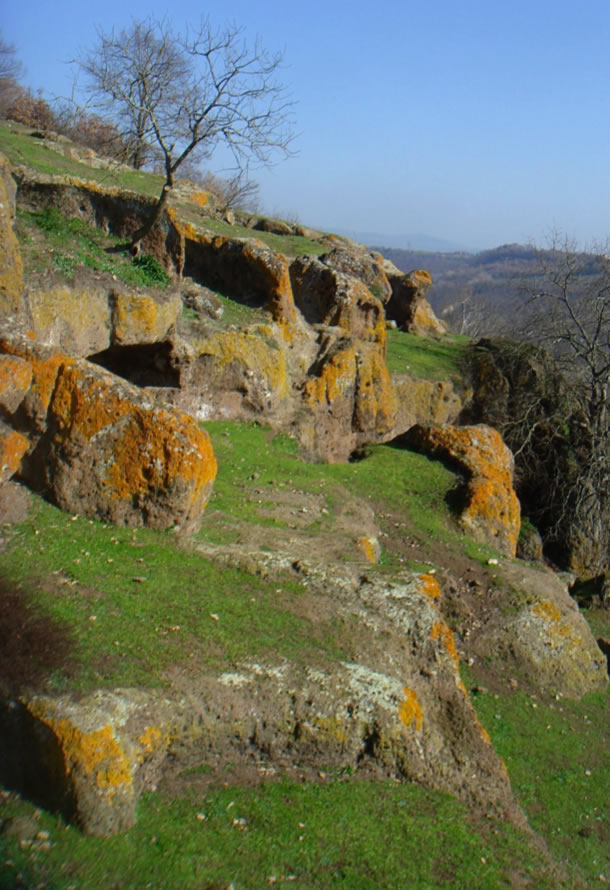
"In the Etruscan world, there exists a complex strategy of excavation: a combined and coordinated strategy that ranges from the Rock Tombs to the Dromos (entrance passages), the Vie Cave (sunken roads), and the 'chariot' furrows. This procession of excavations is also what accompanies the dead to their burial and, at the same time, celebrates the path of Water (the dead must have water to live, which explains the constant presence of coppelle or small ritual basins).
The Vie Cave have been completely overlooked by official archaeology for at least three reasons: because they are Etruscan, because they are not 'objects,' and above all, because they are inexplicable without a systemic-ecological approach. Labeled simply as 'roads' by official archaeology, they are instead an integral part of a system celebrating the cult of the earth. For the Etruscans, the earth is alive. The earth speaks."
— Antonino Saggio
"From those monuments emerges a primordial conception common to all ancient civilizations, which can be summarized in one statement: The Earth is Alive. Its secret and invisible energies, its vital 'breath,' its magnetism, its fertilizing underground currents, its divine and infernal entities, its magmatic, mineral, and volcanic matters were perceived as real and important phenomena, produced by the sacred body of Mother Earth."
— Giovanni Feo, Misteri etruschi, Stampa Alternativa Nuovi Equilibri, Viterbo, 2004, p. 74
From this, another line of reasoning follows... how much nature used to be a source, container, and emitter of information when the idea of the earth as a living being was rooted in culture; and conversely, how much the information emanating from the earth today is misunderstood and neglected, partly because it is considered dead—or rather, "inanimate."
Some "Imprintings" selected over the years:
2
Da Andrea Ariano nel Corso 2019
Da Chiara Gai nel Corso 2018
Da Selenia Marinelli del Corso 2017
.
.http://www.arc1.uniroma1.it/saggio/Conferenze/Roma/PAesaggioHadid/Badini.jpg

Imprinting Heals
Angelo D'Arrigo, an Italian hang glider pilot known for flying in the company of migratory birds, particularly eagles and cranes. After achieving several sporting records, he dedicated himself to scientific research, eventually leading the migration of Siberian cranes and teaching birds born in captivity how to fly in order to reintroduce them into their natural habitat.
Example: What I am asking the Students to do
TO DO:
A. Write a text of approximately two or three pages describing a "place of memory" (about 3,600 characters). The location can be a physical place—a house, a building—or even a site characterized as an anthropic landscape (human-shaped environment).
A little while ago, I conducted an experiment of this type myself... here is the text. In this case, it concerns a mixture of architecture and landscape. It is titled "Impressive Places"; you can choose to read it or not. It might inspire you, or it might not... it depends. It is a very "non-neutral" text because, in fact, this entire exercise is far from neutral. Anyway, here it is >>
B. Create an architectural drawing, sketch, collage, or use other expressive techniques to visually represent your place of imprinting. If you wish, you can use categories derived from the techniques you previously experimented with during the "Critical Look" (Sguardo Critico) phase.
C. List two fundamental characteristics of your "imprinting." For example: fragmentary/steep, colorful/soft, white/horizontal... and, if possible, represent these concepts graphically.
D. In another sketch or drawing, try to imagine how some of those characteristics could be incorporated into your project. Do this in a completely free—or reasonably free—manner.
Publish everything on the blog. Send the link to one of the teaching assistants of your choice.
E veniamo finalmente Alla Collana Imprinting
LetteraVentidue Edizioni
S I R A C U S A
Bibliografia
Antonino Saggio has spoken and written on several occasions about the concept of Imprinting.
Sulla città di Roma una conferenza è
"Roma interttotta" con video
Alcune lettture per approfondire
DEGLI IMPRINTING LONTANI E VICINI
> Architettura in Sicilia. Percorsi dell'imprinting
> Abraham Zabludovsky. Il mago dei vuoti
> Giappone e California. Sponde vicine
> Il veliero di Murcutt
Articolo centrale sul concetto di Imprinting
Oppure "Architetture di Domani. Scenari."
Pubblicato su "Rassegna di Architettura e Urbanistica, n.82-83 "La condizione attuale dell'architettura in Italia", gennaio-agosto 1994 (pp.102-109).
di Antonino Saggio
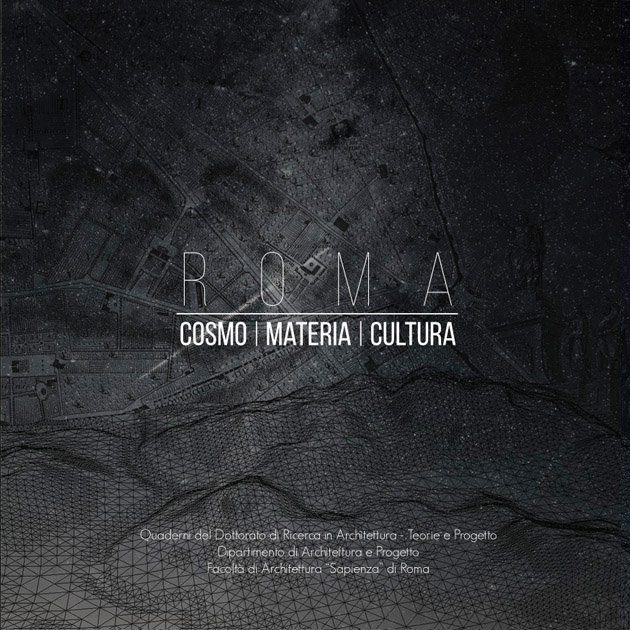
Roma: cosmo materia cultura
a cura di Matteo Baldissara, Marta Montori, Teodora M. M. Piccinno
EPUB | STAMPA | STAMPA B&W
LetteraVentidue Edizioni
Imprinting
collana ideata e diretta dal 2023 da
Antonino Saggio
Saggio Home site |